What kind of building work do you take on in Wiltshire?
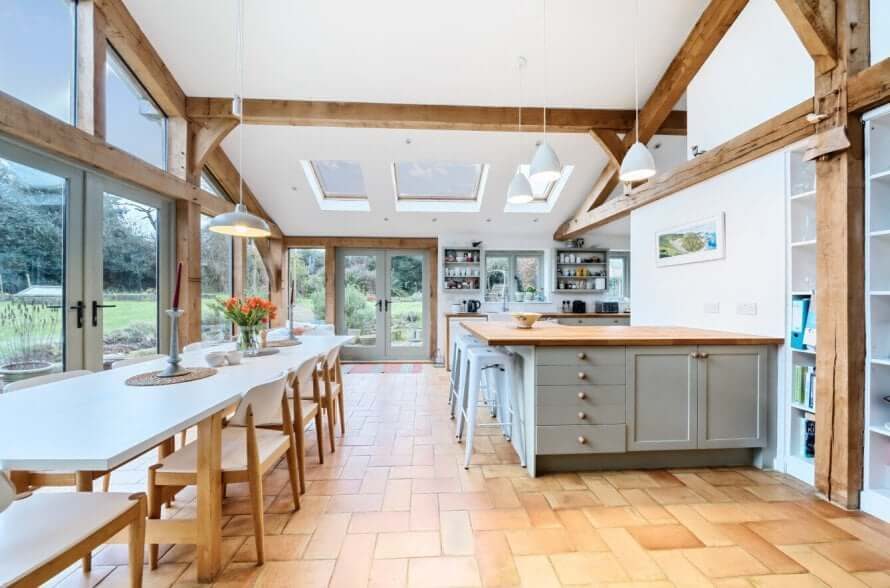
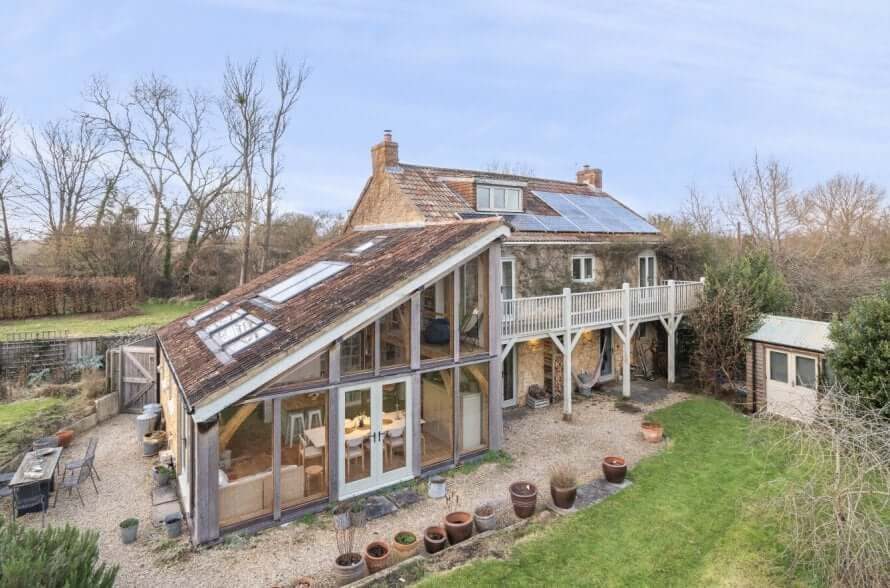
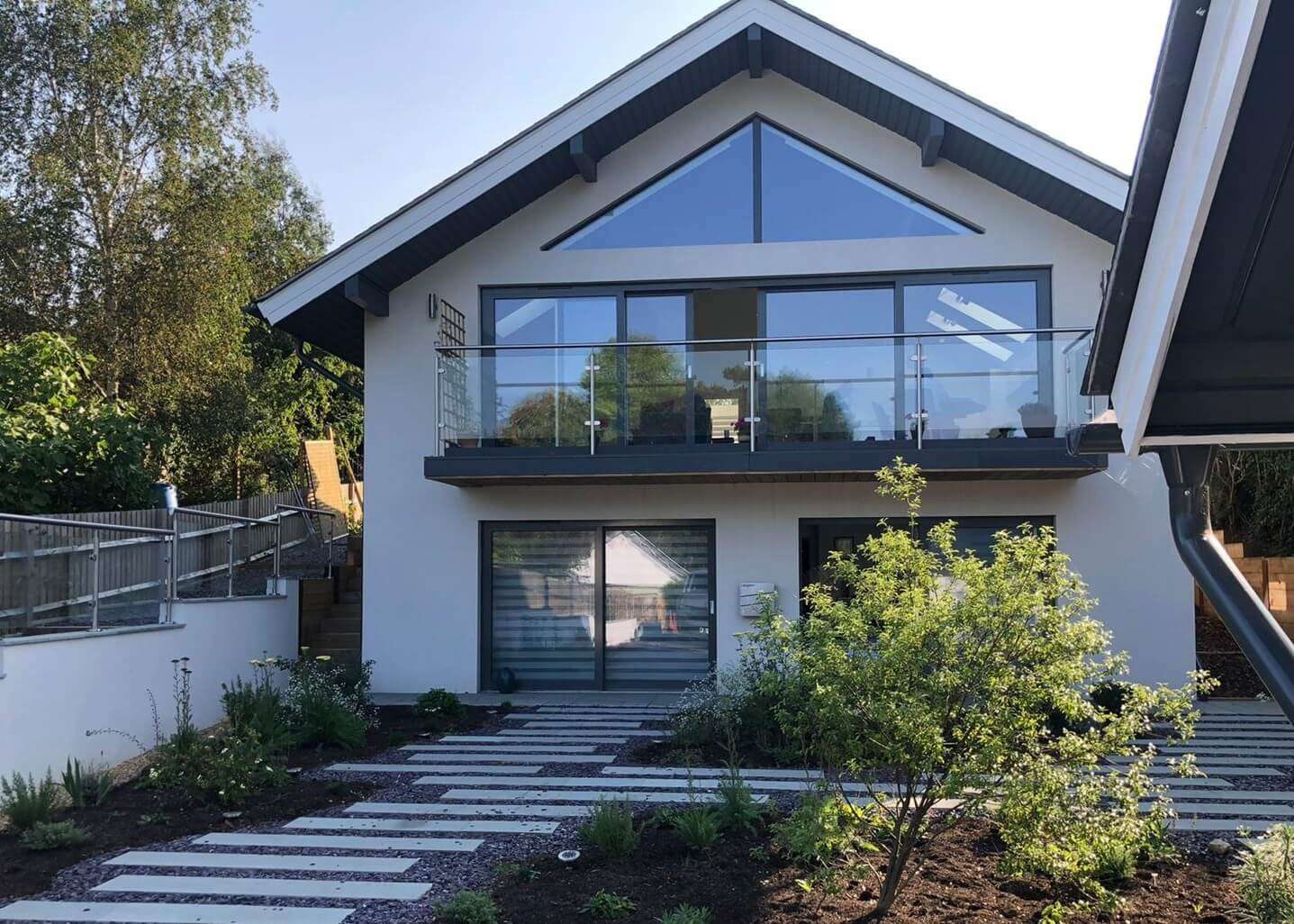
Across Wiltshire it is mostly church reordering, listed stone renovation, oak framed extensions and bespoke new builds, all of it fully project managed on a fee agreed before anything starts. Across Wiltshire the constraint is rarely the town and almost always the parish: conservation areas covering whole village cores, listed farm groups where the barns are curtilage listed as well as the house, and open countryside policy that decides whether a plot is a plot at all. Every project begins with a look at the building and the site rather than a price guessed over the phone.
Have you worked in Wiltshire before?
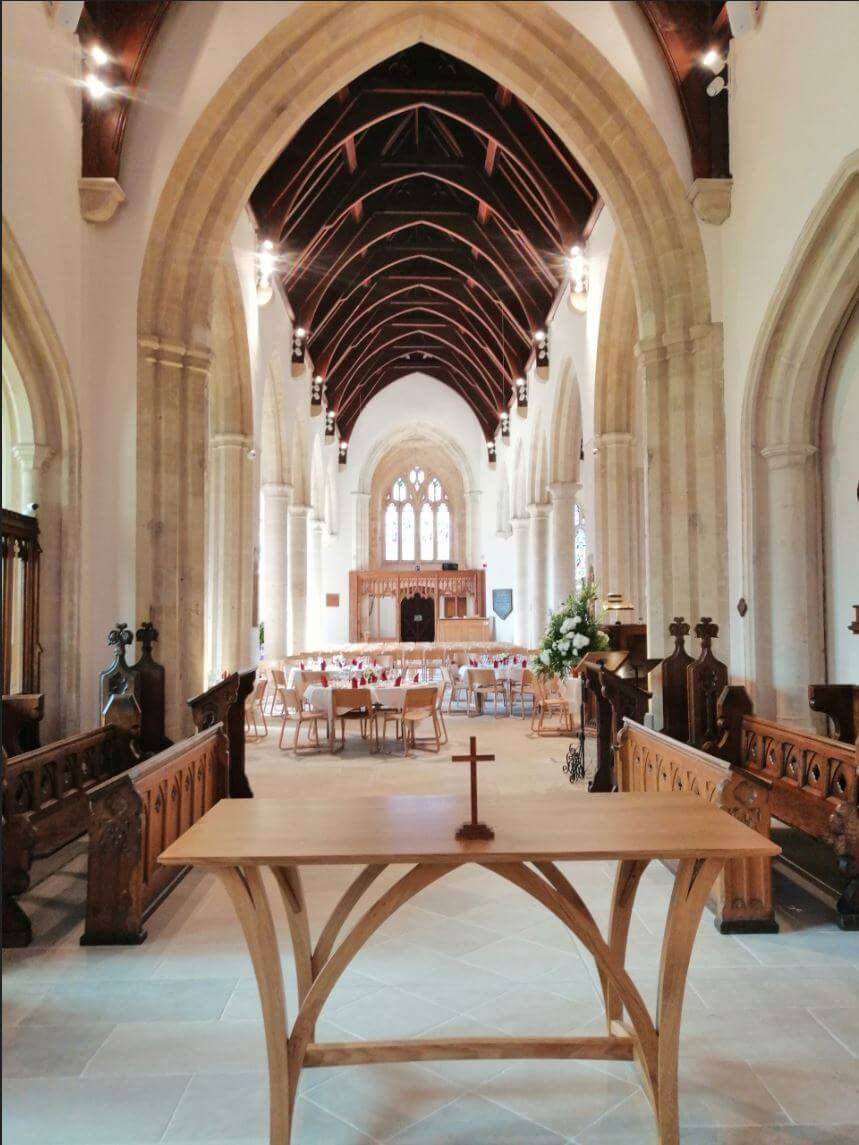
Yes. Both of our DAC award-winning church schemes are in Wiltshire, at Hullavington and at Highworth. Ring and we will tell you what we usually find in buildings around Marlborough Downs and what yours is likely to need before anything is opened up.
Does the type of property in Wiltshire change how the work is done?
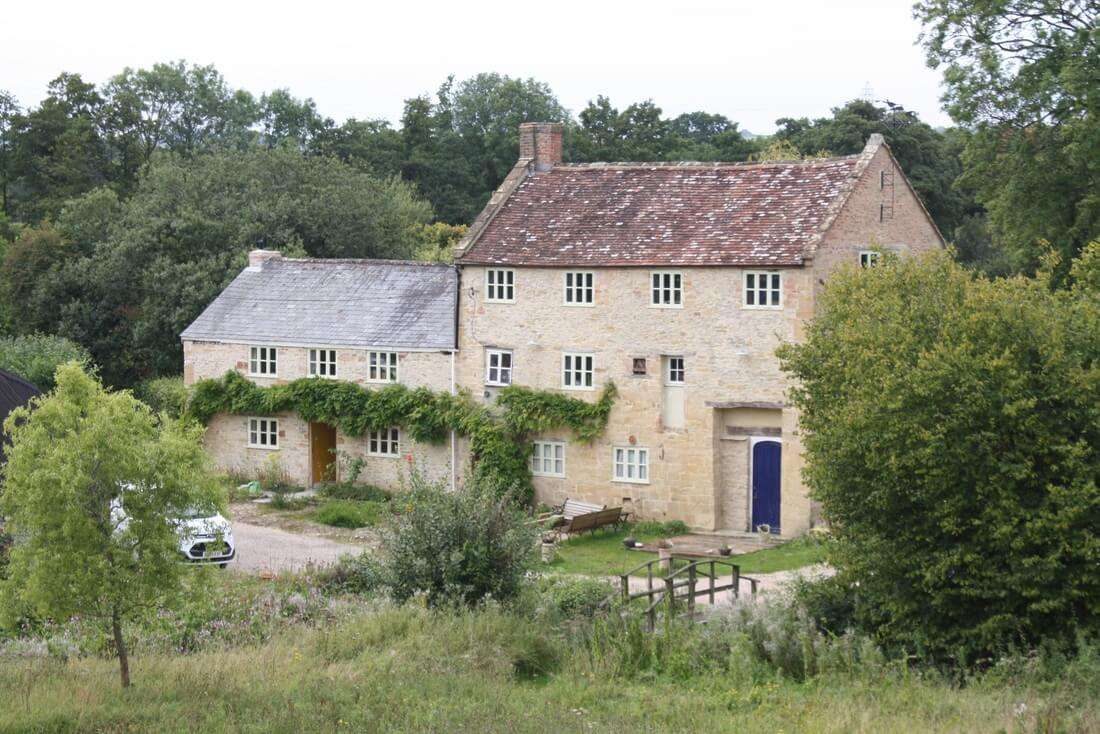
It does, considerably. Wiltshire is stone, cob, brick and timber frame depending on which valley you are in, and the material decides the repair. A wall built without a cavity and without a damp proof course has to breathe, so it wants lime rather than cement and a breathable paint rather than masonry sealer. Farm buildings bring their own question, because barns and outbuildings within the curtilage of a listed house are usually listed too, whatever anybody has been told. The first visit is spent working out what the building actually is before anything is proposed for it.
Will I need planning permission or listed building consent in Wiltshire?
Across Wiltshire the constraint is rarely the town and almost always the parish: conservation areas covering whole village cores, listed farm groups where the barns are curtilage listed as well as the house, and open countryside policy that decides whether a plot is a plot at all. Whether your particular building needs consent depends on what it is, whether it is listed, and whether it sits in a conservation area or a National Landscape, and all three get checked at the first visit rather than assumed. Where consent is needed, the application, the heritage justification and the conservation officer conversation are handled as part of the job.
Do you charge extra to work in Wiltshire?
No. Wiltshire is inside the area we cover, so travel is in the fixed fee rather than added to it. The fee is agreed at the outset and does not climb with the value of the build, which is the whole point of doing it that way.
How soon could a project in Wiltshire start?
Getting out to look at a building in Wiltshire and talk it through is usually a matter of days. Starting on site is a different question, because a project of any size needs design, consent and trades booked in the right order, and that is measured in months rather than weeks. We would far rather give you a real date than a hopeful one, so ring and we will tell you honestly where the next slot is.
Which trades do you use for work in Wiltshire?
A network of masons, carpenters, framers, lime plasterers, roofers, leadworkers, electricians and plumbers built up across the South West over more than thirty five years, engaged directly at trade prices rather than bought through a main contractor. On heritage work in Wiltshire that network is most of the value, because the specialists who can do it properly are not people you find at short notice.